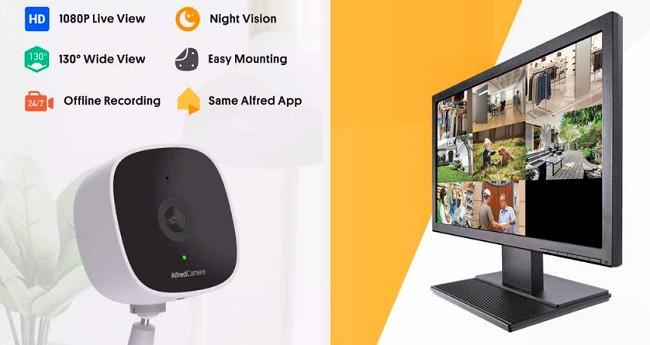
In an era where home security is paramount, the Alfred Security Camera app has emerged as a versatile and user-friendly solution. Designed to turn your old smartphones and tablets into security cameras, Alfred offers flexibility, affordability, and simplicity. While Alfred was initially designed for mobile devices, many Mac users want to leverage their Macs as security monitoring hubs. In this guide, we’ll explore how to install and use Alfred on a Mac device, covering everything from setup to advanced usage.
What Is the Alfred Security Camera App?
Alfred Security Camera is a surveillance app that allows users to transform smartphones, tablets, and computers into security cameras. It provides live streaming, motion detection, and two-way communication features, making it a favorite for home security, baby monitoring, pet watching, and even office surveillance.
Alfred is primarily designed for Android and iOS devices, but with some simple workarounds, Mac users can also access the app’s functionality to monitor their space.
Why Use Alfred on Mac?
Using Alfred on a Mac can enhance your security setup in several ways:
Larger Display: Mac screens provide a broader view, making it easier to monitor live footage.
Always-On Setup: Macs can remain on for extended periods, ensuring continuous surveillance.
Multi-Device Integration: Syncing Alfred across different devices enhances flexibility in monitoring multiple areas.
Efficient Monitoring Hub: Your Mac can serve as a central hub for controlling and viewing multiple cameras simultaneously.
How to Install Alfred Security Camera App on Mac?
Since Alfred does not have a dedicated macOS app, the installation requires a workaround using Android emulators. An emulator allows you to run Android apps on your Mac seamlessly.
Step 1: Download and Install an Android Emulator
To run Alfred on your Mac, you’ll need an Android emulator. Popular emulators include:
BlueStacks: A robust emulator that runs Android apps efficiently on macOS.
Nox Player: Lightweight and user-friendly, ideal for running apps like Alfred.
MEmu: Another emulator known for its performance and simplicity.
Installing BlueStacks:
Visit the BlueStacks official website and download the macOS version.
Open the downloaded file and follow the on-screen instructions to install BlueStacks.
Once installed, launch BlueStacks and sign in with your Google account.
Step 2: Download Alfred Security Camera App
Open BlueStacks or your chosen emulator.
Go to the Google Play Store within the emulator.
Search for "Alfred Security Camera" in the Play Store.
Click "Install" to download the app.
Once installed, open Alfred.
Step 3: Set Up Alfred on Mac
Sign In: Use your Google account to sign in to Alfred. Make sure it’s the same account you’re using on other devices set up as cameras.
Choose Viewer Mode: Since the Mac will serve as the viewing device, select "Viewer" mode.
Connect Devices: Ensure your other devices (Android or iOS phones) are set up in "Camera" mode using the same Google account.
Verify Connectivity: After signing in, the Mac should automatically detect the other devices. You can now view live streams from the cameras.
How to Use Alfred Security Camera App on Mac?
1. Understanding the Interface
Once you’ve logged in, the interface is intuitive. You’ll see the following features:
Live Feed: View real-time footage from your connected cameras.
Camera Switching: Easily switch between multiple camera feeds.
Motion Detection Notifications: Receive alerts when motion is detected on any camera.
Two-Way Audio: Communicate through the app using your Mac’s microphone and speakers.
2. Customizing Settings for Enhanced Performance
Motion Detection Sensitivity: Adjust the sensitivity to prevent false alarms due to minor movements like curtains blowing.
Video Quality: Set the video quality based on your internet speed to ensure smooth streaming.
Night Vision: Enable night vision for low-light conditions.
Data Usage Management: Configure data-saving options if you’re monitoring remotely.
3. Accessing Recordings and Cloud Storage
Alfred offers free cloud storage for short video clips triggered by motion detection:
Navigate to the "Library" tab to access recorded clips.
Clips are stored temporarily for free users but can be downloaded for permanent storage.
Upgrade to Alfred Premium for extended storage, HD recording, and ad-free experience.
4. Managing Multiple Cameras
For users with multiple monitoring points:
Use the "Add Camera" feature within the app.
Label each camera for easy identification (e.g., “Living Room,” “Backyard”).
Switch between cameras directly from the main interface.
5. Using Alfred’s Web Viewer as an Alternative
If you prefer not to use an emulator, Alfred also offers a web viewer:
Visit Alfred Web Viewer on your Mac’s browser.
Log in using your Google account credentials.
Access live feeds and recorded clips directly from the web interface.
Troubleshooting Common Issues
No Live Feed on Mac: Ensure all devices are connected to the internet and logged into the same Google account.
Motion Detection Not Working: Check sensitivity settings and ensure the camera devices are positioned correctly.
App Crashes on Emulator: Update the emulator to the latest version or try a different emulator if the issue persists.
Audio Issues: Verify that the Mac’s microphone and speaker permissions are enabled for the emulator.
Tips for Maximizing Alfred’s Efficiency on Mac
Positioning Cameras Strategically: Place your camera devices in areas with high activity or valuable items.
Schedule Monitoring: Use the scheduling feature to activate monitoring during specific hours.
Use Power Sources: Ensure camera devices are connected to power sources to avoid battery drain.
Update Regularly: Keep the app and emulator updated for optimal performance and security.
Advantages of Using Alfred Camera on Mac
Cost-Effective: Reusing old devices eliminates the need for expensive security equipment.
Easy Setup: Minimal technical expertise is required to set up the system.
Remote Monitoring: Access your camera feeds from anywhere via the Mac or web viewer.
Scalable Solution: Easily add more devices to expand your surveillance network.
Conclusion
The Alfred Security Camera app offers a practical and affordable solution for enhancing home and office security. By using your Mac as a monitoring hub, you can take advantage of the larger display, multitasking capabilities, and seamless integration with other devices. With the help of an Android emulator or the web viewer, setting up Alfred on a Mac is straightforward and provides a powerful tool for ensuring your property’s safety.
By following the steps outlined in this guide, you can transform your Mac into a central security command center. Whether you’re at home or away, Alfred empowers you with the peace of mind that your space is protected.